

The micro vacuum pump serves as the “heart” of refrigerator vacuum preservation systems. By actively extracting air to create a low-oxygen environment, it directly determines the freshness and shelf life of stored food.
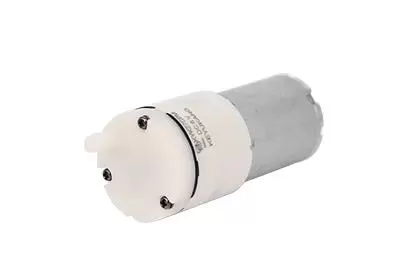
The primary function of the micro vacuum pump is to extract air from the vacuum preservation compartment (drawer or container). Its performance directly affects the achievable vacuum level and how long it can be maintained.
Creating a Low-Oxygen Environment:
By continuously pumping out air, the pump reduces the oxygen concentration inside the compartment to below 1%, effectively inhibiting microbial growth and oxidation of food — the foundation of vacuum preservation.
Maintaining Stable Negative Pressure:
Some advanced smart vacuum pumps feature dynamic pressure compensation. When internal air pressure rises (such as after opening or closing the drawer), the pump automatically reactivates to restore negative pressure, ensuring consistent preservation performance.
Adapting to Different Food Types:
High-end refrigerator models allow users to adjust both the pumping speed and target vacuum level. For example, a lower vacuum (gentle negative pressure) is applied for soft fruits like strawberries to prevent crushing, while a higher vacuum is used for meat to extend freshness.
Micro vacuum pumps are integrated into refrigerators mainly in two forms, each corresponding to a different design of vacuum preservation.
1. Built-in Type (with Independent Vacuum Drawer)
In this setup, the micro vacuum pump is integrated into the refrigerator body and directly connected to a dedicated vacuum drawer. After the user presses the start button, the miniature pump removes air through an internal pipeline until the set vacuum level is reached (typically around -0.8 bar). It then automatically stops.
For example, KYK2748VPM by KeyuKang allows adjustable negative pressure from 0–65 kPa, making it ideal for customized vacuum preservation needs in refrigerators.
The advantages include convenient operation without extra accessories. The vacuum drawer’s sealing structure (such as silicone gaskets or magnetic seals) works with the pump to maintain long-term negative pressure, perfect for everyday family use and bulk food storage.
2. External Type (with Vacuum Boxes or Bags)
In this configuration, the micro vacuum pump functions as a separate accessory — such as a handheld pump or an external refrigerator interface pump. Users place food in a special vacuum container or bag, attach the pump to extract air, and then store the sealed container inside the fridge.
Its main advantage lies in flexibility — ideal for smaller portions like tea, snacks, or cooked food, and compatible with standard refrigerators. However, it requires manual operation, and vacuum retention depends largely on the container’s sealing performance.
Micro vacuum pumps designed for refrigerators must meet stringent standards, as their specifications directly affect freshness and user experience.
Vacuum Level:
This is the core metric. Most pumps need to achieve a vacuum between -0.7 bar and -0.9 bar. A higher vacuum means less residual oxygen and longer preservation, but excessive negative pressure may damage delicate foods.
Pumping Speed:
Typically, a standard 10L vacuum chamber should reach the target vacuum within 30 seconds to 2 minutes. If too slow, it affects convenience; if too fast, the air turbulence might damage delicate items like leafy vegetables.
Noise and Power Consumption:
Since refrigerators are often placed in kitchens or living areas, noise levels should stay below 40 dB (similar to ambient background noise). Energy efficiency is also critical to avoid increasing the fridge’s overall power usage.
Durability and Sealing:
The pump must operate reliably in cold and humid environments (0–10°C). It should support over 5,000 pumping cycles and maintain strong internal sealing to prevent air backflow or leakage.
Proper use and maintenance of the micro vacuum pump ensures long service life and consistent freshness performance.
Pre-use Inspection:
Before each operation, check that the vacuum compartment or container seal is clean and undamaged. Food residue or cracks can cause air leaks, forcing the pump to run ineffectively.
Avoid Overloading:
Do not allow the pump to run continuously for more than about 5 minutes. If the desired vacuum level cannot be reached, stop the device and inspect the sealing instead of forcing prolonged operation.
Regular Cleaning and Maintenance:
Every 3–6 months, wipe the pump’s air inlet with a dry soft cloth. For built-in pumps, use the refrigerator’s maintenance mode to open the service panel if available. This prevents dust or food particles from blocking the intake and ensures optimal suction efficiency.
.webp "How to Choose the Right Small Solenoid Water Valve for Compact Fluid Control Systems")