

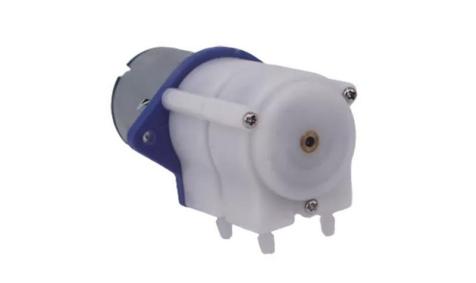
Miniature pumps are compact, low-volume devices designed for applications requiring relatively low flow rates and pressure. Characterized by their small size and integrated structure, they are predominantly powered by electricity, with a minority utilizing pneumatic or manual drives.
Miniature pumps can be classified based on several criteria:
By Medium:
Air Pumps: Handle gaseous fluids, such as ambient air, hydrogen, or ozone.
Liquid Pumps: Designed for liquid fluids, including water, disinfectants (e.g., hypochlorite, hydrogen peroxide), oils, viscous liquids (e.g., hand sanitizer, shampoo), and corrosive liquids (e.g., hydrochloric acid).
By Working Principle:
Common types include diaphragm pumps, piston pumps, gear pumps, peristaltic pumps, centrifugal pumps, and piezoelectric pumps.
By Material:
Classification can also be based on primary construction materials, such as diaphragm pumps or aluminum pumps.
Miniature pumps are integral to a wide array of fields, including consumer electronics, medical devices, automotive systems, and industrial and scientific research, significantly enhancing modern quality of life.
The widespread adoption of miniature pumps is driven by several distinct advantages:
Compact Size: Their small footprint and compact structure make them ideal for integration into portable devices or systems with limited space.
Low Energy Consumption: They operate with high efficiency, often powered by DC sources like batteries, which enhances portability and ensures user safety.
Low Noise Operation: Unlike industrial pumps, miniature pumps run quietly. Their small size also allows for additional external noise-dampening solutions, achieving near-silent operation, which is crucial for indoor or personal use.
High Precision: Specialized models, such as micro-metering pumps, offer precise flow control, making them perfect for applications requiring the accurate delivery of micro-liquids.
Cost-Effectiveness: Miniature pumps are generally affordable. As manufacturing technology matures, mass production further reduces costs, making them suitable for both high-volume consumer products and disposable applications.
Wide Medium Compatibility: By using chemically resistant materials like PTFE and stainless steel, these pumps can safely handle a broad range of fluids, from corrosive acids and bases to viscous oils and lubricants.
The integration of micro vacuum pumps is a key factor in the design and performance of modern electric breast pumps.
Portability & Design Freedom: Weighing as little as 30-100g, these pumps free up significant internal space for essential components like batteries, milk storage, and control circuits. This results in a final product that is lightweight and easy to carry for outdoor use.
Energy Efficiency: With a power consumption of under 2W, the pumps extend battery life and support convenient charging via USB-C, making them compatible with portable power banks.
Quiet Operation: The compact pump size allows manufacturers to incorporate soundproofing cotton and shock-absorbing silicone, keeping operational noise below 45 dB. This ensures the pump won't disturb a sleeping baby, greatly improving the user experience for mothers.
Cost and Durability: Utilizing durable plastic and rubber components instead of traditional metal, micro vacuum pumps reduce manufacturing costs, making the final product more accessible. The separable design of the pump host and milk-contact parts (e.g., bottles, flanges) allows for easy cleaning and sterilization, meeting the stringent hygiene standards for maternal and infant products.
Micro pumps and valves offer significant advantages in modern household water purifiers and dispensers.
Space Efficiency: Their small size is a major benefit for compact appliances. It allows for flexible and dense integration of filters, tubing, and pumps within a limited chassis, reducing the overall product footprint.
Optimal Flow Control: Micro pumps provide a flow range (typically 20-3000 ml/min) that is perfectly suited for domestic water purifiers, which operate between 50-800 GPD (gallons per day), ensuring stable and appropriate water delivery.
Silent Performance: Operating at noise levels below 45 dB (measured at 30 cm), these pumps are virtually silent from a meter away, ensuring a non-disruptive user experience in a home environment.
Responsiveness and Energy Savings: With a quick start/stop response time of under 5 seconds, micro pumps and valves prevent water overflow and ensure immediate delivery. Their low power consumption (1-2W at 12V) and zero standby power draw meet high energy-efficiency standards.
Safety and Reliability: All wetted parts are made from food-grade materials (e.g., PA, POM, EPDM) that comply with international standards like FDA and GB4806.7, ensuring water safety. Superior sealing materials prevent any risk of leaks.
Lower Costs: The high degree of automation in mass production has significantly reduced the cost of micro pumps and valves compared to traditional solutions. This lowers both the initial purchasing cost for manufacturers and the long-term maintenance cost for consumers.
.webp "How to Choose the Right Small Solenoid Water Valve for Compact Fluid Control Systems")